Address
304 North Cardinal
St. Dorchester Center, MA 02124
Email: shahaofferzone@gmail.com
Address
304 North Cardinal
St. Dorchester Center, MA 02124
Email: shahaofferzone@gmail.com

Finding the best teeth-whitening strips can be challenging if you have sensitive teeth. However, there are options out there that can cater to your needs without causing discomfort. One such option is the Crest 3D White Professional Effects White strips. These strips are formulated with a gentle and enamel-safe ingredient that helps whiten teeth effectively without causing sensitivity.
Another top pick for sensitive teeth is the Opalescence Go Teeth Whitening Strips. These strips are pre-filled with a mild whitening gel that won’t irritate sensitive teeth and gums. They also come in a convenient, ready-to-use design, making them easy to incorporate into your daily routine without any hassle.
For those seeking natural options, the Aura Glow Teeth Whitening Kit offers an LED accelerator light along with gentle whitening gel formula that’s suitable for sensitive teeth. The combination of these features provides an effective yet non-irritating whitening experience for individuals with sensitive teeth.
In conclusion, it’s important to choose teeth whitening strips specifically designed for sensitive teeth in order to achieve a brighter smile without discomfort or irritation. With these carefully selected recommendations, individuals with sensitivity issues can confidently embark on their journey to achieving a dazzling white smile while maintaining oral comfort.
Understanding the connection between sensitive teeth and teeth whitening is essential for anyone considering cosmetic dental procedures. Many people with sensitive teeth may experience discomfort or pain when using over-the-counter whitening products, as the chemicals can penetrate the tooth enamel and irritate the nerves within.
Understanding the root cause of teeth sensitivity, such as gum recession or enamel erosion, is crucial before embarking on any whitening treatments. Moreover, consulting with a dentist can help identify the most appropriate whitening method that minimizes discomfort and addresses the underlying sensitivity issue.
Furthermore, it’s important to recognize that not all teeth whitening methods are created equal, and some may exacerbate tooth sensitivity more than others. For instance, professional in-office whitening procedures supervised by a dentist typically involve higher-quality materials and precise application techniques to minimize adverse effects on sensitive teeth.
Additionally, exploring alternative approaches to traditional peroxide-based bleaching treatments—such as light-activated systems or natural remedies—can provide opportunities for achieving a brighter smile without aggravating tooth sensitivity. Ultimately, understanding the nuances of how different whitening methods interact with sensitive teeth is pivotal in making informed decisions about improving one’s smile while prioritizing dental health and comfort.
When it comes to managing sensitive teeth, there are several important factors to consider in order to alleviate discomfort and maintain oral health. Firstly, it’s crucial to assess your brushing technique and the type of toothbrush used. Using a soft-bristled toothbrush and gentle brushing motions can prevent further enamel erosion and gum recession, which can exacerbate sensitivity. Additionally, choosing a toothpaste specifically formulated for sensitive teeth, containing ingredients like potassium nitrate or fluoride, can help desensitize nerve endings and strengthen enamel.
Another key consideration is diet. Consuming acidic foods and beverages such as citrus fruits, soda, and coffee can erode tooth enamel over time, leading to increased sensitivity. It’s advisable to minimize consumption of these items or rinse the mouth with water after consumption to mitigate their impact on tooth sensitivity. Additionally, practicing good oral hygiene by flossing regularly and using an alcohol-free mouthwash can help in maintaining overall dental health and reducing discomfort from sensitive teeth.
Are you looking to brighten your smile without the hassle of expensive professional treatments? Look no further than these top 5 recommended teeth whitening strips that will leave your teeth looking visibly whiter in no time. Crest 3D Whitestrips are a popular choice, providing effective whitening results with their advanced seal technology. Another option worth considering is the Oral-B 3D White Whitestrips, known for their gentle yet powerful formula that targets tough surface stains. For those seeking a more natural approach, the LumiBrite Professional Whitening Strips are infused with botanical extracts to help maintain enamel health while delivering impressive results.
Lovers of convenience may appreciate the Colgate Optic White Overnight Teeth Whitening Strips, which can be worn overnight for an effortless way to achieve a brighter smile by morning. Alternatively, the Rembrandt Intense Stain Dissolving Strips offer innovative dissolving technology for a mess-free and effective whitening experience. With these top picks, achieving a radiant and confident smile has never been easier or more accessible.

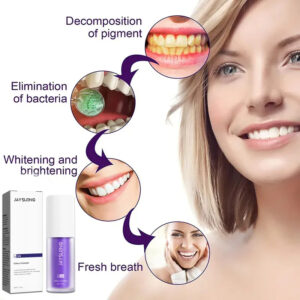
It’s essential to consider the pros and cons of each recommended strip to make an informed decision. The first strip, recommended for its high absorbency and premium material, offers excellent protection against leaks. However, some users may find it expensive compared to other options in the market. On the other hand, the second strip is more affordable and comes in a variety of sizes, making it suitable for different body types. Yet, some may feel that its absorbency is not as effective as the first option.
When choosing a recommended strip, it’s important to weigh these factors carefully. While one may excel in certain aspects such as comfort or discretion, it may fall short in terms of durability or odor control. Ultimately, understanding your individual needs and preferences will help you make an informed decision that best suits your lifestyle.
Are you tired of avoiding your favorite foods and drinks because of sensitive teeth? Many people find traditional teeth whitening treatments to be too harsh for their sensitive teeth. But fear not, because there are alternative natural remedies that can help whiten your teeth without causing discomfort. One effective method is oil pulling with coconut oil, a traditional technique that involves swishing oil around in your mouth to remove plaque and bacteria. This gentle process can also help to gradually whiten teeth without causing sensitivity.
Another natural remedy for sensitive teeth whitening is using activated charcoal. While it may sound counterintuitive to use a charcoal-based product on your teeth, activated charcoal has been proven to effectively draw out stains and toxins from the mouth, resulting in a whiter smile. It’s important to note that these natural remedies may take longer to show results compared to conventional whitening treatments, but the benefit of avoiding tooth sensitivity makes them worth considering for those with delicate dental issues.
In addition to oil pulling and activated charcoal, some people have found success with using a mixture of baking soda and hydrogen peroxide as a gentle way to whiten sensitive teeth. This combination helps to clean the surface of the teeth without eroding enamel or causing irritation that can lead to sensitivity. These natural alternatives offer hope for those with sensitive teeth who still wish to achieve a brighter smile without enduring the discomfort or pain often associated with traditional whitening methods.
After exploring various options for achieving a brighter, healthier smile, it is evident that professional teeth whitening stands out as the best choice. While over-the-counter products and DIY remedies may seem convenient, they often lack the efficacy and safety of professional treatments. Professional teeth whitening procedures are carefully monitored by dental professionals, ensuring that your oral health is not compromised during the process.
In addition to its safety and effectiveness, professional teeth whitening offers long-lasting results that surpass those of other methods. The customizability of professional treatments allows for individualized approaches tailored to meet each patient’s unique needs and desires. By choosing professional teeth whitening, you are making an investment in both your appearance and your oral health – a decision that will undoubtedly lead to a confident and radiant smile for years to come.
Pros:
Cons:
Q: Are teeth whitening strips safe for sensitive teeth?
A: Yes, there are specific whitening strips designed for sensitive teeth.
Q: How long does it take to see results with teeth whitening strips?
A: Results vary, but many people notice a difference within a few days to a couple of weeks.
Q: Can I use teeth whitening strips if I have dental work like fillings or crowns?
A: It’s best to consult your dentist before using whitening strips with dental work.
Q: Are there any side effects from using teeth whitening strips for sensitive teeth?
A: Some individuals may experience temporary tooth sensitivity or gum irritation.
Q: How often should I use teeth whitening strips?
A: Follow the instructions on the product packaging, typically once a day for a specified period.
Q: Do teeth whitening strips work on all types of stains?
A: Whitening strips can effectively lighten surface stains caused by food and drinks, but may not affect deep discoloration.
Q: Can I eat and drink while wearing teeth whitening strips?
A: It’s recommended to avoid eating and drinking while using the whitening strips to prevent dilution of the gel.
Q: Can teenagers use teeth whitening strips for sensitive teeth?
A: It’s best to check with a dentist before teenagers use any type of teeth whit


Петля ошибки и путь к истине
свойства истины [url=http://www.koah.ru/kanke/62.htm]http://www.koah.ru/kanke/62.htm[/url].