Address
304 North Cardinal
St. Dorchester Center, MA 02124
Email: shahaofferzone@gmail.com
Address
304 North Cardinal
St. Dorchester Center, MA 02124
Email: shahaofferzone@gmail.com
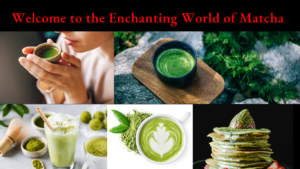
Introduction: Exploring the World of Matcha
Welcome to the enchanting world of matcha, a vibrant and fascinating component of Japanese culture and tradition. Beyond its striking emerald hue and earthy aroma, matcha offers a rich tapestry of history, ceremony, and health benefits waiting to be unraveled.
Derived from finely ground green tea leaves, matcha has been an intrinsic part of Japanese tea ceremonies for centuries. This ancient ritual not only symbolizes harmony, respect, purity, and tranquility but also emphasizes the spiritual connection between host and guest. By delving into this graceful tradition, we embark on a journey that transcends mere consumption; it becomes an experience overflowing with cultural significance and mindfulness.
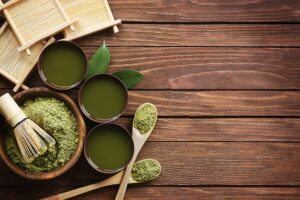

Furthermore, the inherent health benefits of matcha are as alluring as its ceremonial roots. Packed with antioxidants such as catechins and EGCg, matcha is celebrated for promoting relaxation while boosting concentration – making it the ideal companion for meditation or study sessions. Its unique composition also contributes to cleansing the body by aiding metabolism regulation and supporting immune function. Thus, unveiling the realm of matcha unveils far more than just a beverage; it presents us with a holistic art form that promotes well-being in myriad ways.
Origins of Matcha: A Brief History
Matcha, the vibrant green powdered tea that has become a mainstay in modern wellness culture, has a rich and intriguing history that dates back centuries. Originating in China during the Tang Dynasty (618-907), matcha was introduced to Japan by Buddhist monks in the 12th century. The monks incorporated matcha into their meditation rituals, recognizing its ability to promote focus and calmness. It wasn’t long before matcha became an integral part of Japanese tea ceremonies, evolving into an art form centered around mindfulness and tranquility.
The cultivation and production of matcha also played a crucial role in shaping its history. In order to achieve the sought-after vibrant green color and distinct umami flavor, farmers perfected traditional shading techniques that shielded the tea plants from direct sunlight for weeks prior to harvest. This labor-intensive process contributed to matcha’s status as a luxury item reserved for nobility and elite members of society. As time went on, advancements in farming technology made matcha more accessible, leading to it becoming widely enjoyed across various social classes in Japan.
Today, as the demand for matcha continues to soar globally, its storied past serves as a testament to its enduring appeal and enduring legacy as a symbol of mindfulness, tradition, and elevated well-being.
Flavor Profile: Sweet, Earthy, and Nutty Notes
The combination of sweet, earthy, and nutty notes in a flavor profile creates a symphony of sensory delights that can elevate any dish or beverage. The sweetness provides a pleasant contrast to the earthiness and nuttiness, creating a complex and satisfying taste experience. Whether it’s the hint of honey in a floral tea, the deep earthy undertones of roasted coffee, or the rich nuttiness of creamy almond milk, these flavors come together to create a harmonious balance on the palate.

One interesting aspect of this flavor profile is its versatility across different cuisines. In Mediterranean dishes, the sweetness of dates pairs beautifully with the earthy richness of olive oil and the nuttiness of sesame seeds, creating a robust and flavorful combination. Similarly, in Asian cuisine, the interplay of sweet hoisin sauce, earthy shiitake mushrooms, and nutty toasted sesame adds depth and complexity to stir-fries and noodle dishes.
Exploring sweet, earthy, and nutty flavors opens up a world of culinary creativity. From desserts to savory dishes to beverages, these notes offer an exciting range of possibilities for chefs and home cooks alike. By embracing this flavor profile in cooking or mixology endeavors, one can bring depth and sophistication to their creations while delighting their taste buds with an enticing blend of sweet indulgence balanced by grounding earthiness and comforting nuttiness.
Culinary Uses: Beverages, Desserts, and More
Beverages have long been a canvas for culinary creativity, with mixologists and chefs constantly pushing the boundaries of flavor combinations. From the infusion of herbs and spices into cocktails to the artful pairing of wines with specific dishes, there is an endless array of possibilities to explore. Additionally, beverages are not limited to alcoholic concoctions; mocktails and non-alcoholic drinks are gaining popularity as innovative alternatives that can be just as complex and enjoyable.
When it comes to desserts, the world is filled with sweet delights waiting to be discovered. Whether it’s a delicate French pastry or a rich chocolate creation, desserts offer an opportunity for chefs to showcase their artistry and skill. With ingredients ranging from fruits and nuts to exotic spices and edible flowers, dessert recipes often incorporate unexpected elements that add depth and complexity.
But let’s not forget about other culinary uses beyond beverages and desserts. Savory dishes are also enhanced by carefully chosen flavors – whether it’s a hint of vanilla in a stew or a splash of bourbon in barbecue sauce. Even traditional savory staples like soups or entrees benefit from creative culinary techniques that elevate them beyond the ordinary. The possibilities within the realm of culinary arts are truly endless!
Health Benefits: Antioxidants and Calm Energy
Antioxidants are powerful compounds that can help protect our cells from damage caused by harmful molecules called free radicals. However, their benefits extend beyond just cell protection. Studies have shown that antioxidants may also play a role in lowering the risk of chronic diseases such as cancer, heart disease, and diabetes. Additionally, they can help reduce inflammation in the body, which is linked to various health issues. As if that weren’t enough, antioxidants are also thought to support healthy aging by contributing to better skin health and overall vitality.
When it comes to energy, many people turn to stimulants like caffeine for a quick boost. However, calm energy is an emerging concept that focuses on sustaining energy levels without the jittery feelings often associated with traditional stimulants. This approach involves incorporating foods and nutrients that offer sustained energy without the crash. By prioritizing complex carbohydrates, healthy fats, and protein-rich foods throughout the day, individuals can maintain stable blood sugar levels and avoid the rollercoaster of highs and lows commonly experienced with quick-fix energy solutions.
Incorporating more antioxidant-rich foods into your diet while embracing a strategy for calm energy could be a game-changer for your overall well-being. By understanding these concepts and making small adjustments in your daily routine, you’ll not only feel more energized but also set yourself up for long-term health success.
Tasting Experience: Creamy Texture and Umami Undertones
As I took the first spoonful of the creamy, umami-laden dish, my taste buds were immediately transported to a realm of indulgent delight. The rich and velvety texture danced on my palate as the umami undertones unfurled with each bite. It was a symphony of flavors that left me craving more, the combination of creaminess and depth creating an unparalleled tasting experience.
The interplay between the creamy texture and subtle umami undertones was nothing short of extraordinary. Each component seemed to complement the other in perfect harmony, resulting in a sensory journey that left me awe-struck. It was a revelation to discover how these elements worked in unison to elevate the dish to unprecedented levels of satisfaction, leaving me pondering over the incredible complexity hidden within such seemingly simple ingredients.
Conclusion: Embracing the Unique Taste of Matcha
In conclusion, embracing the unique taste of matcha is not just about enjoying a beverage; it’s about experiencing a cultural tradition and reaping numerous health benefits. The earthy, slightly bitter flavor of matcha has been cherished in Japanese tea ceremonies for centuries, symbolizing harmony, respect, purity, and tranquility. By incorporating matcha into our daily lives, we not only embrace its distinct taste but also partake in an ancient ritual that connects us to nature and mindfulness.
Furthermore, the versatility of matcha extends far beyond traditional tea preparation. It can be used as an ingredient in various recipes such as smoothies, desserts, and even savory dishes. Embracing the unique taste of matcha allows us to experiment with new flavors and textures while benefiting from its antioxidant-rich properties. Ultimately, integrating matcha into our culinary repertoire enriches our overall sensory experience and encourages us to savor the complexity of this vibrant green powder.
In essence, embracing the unique taste of matcha invites us to broaden our appreciation for diverse flavors while nourishing both body and soul. Its distinct profile stimulates curiosity and invites exploration beyond conventional palate preferences. Through this embrace of the multifaceted nature of matcha’s flavor profile comes a deeper understanding and respect for its cultural significance and potential health benefits – an enriching journey that transcends simple gustatory pleasure.
Pros:
Cons:
Sure, here are 8 unique FAQs about matcha taste:
– Matcha has a rich, earthy flavor with hints of sweetness and a slight bitterness.
– Yes, matcha can have a slightly bitter taste due to its high concentration of antioxidants.
– While matcha is made from the same plant as green tea, it has a more intense and complex flavor profile than traditional green tea.
– Umami – the savory and satisfying taste that is unique to matcha.
– Matcha has both sweet and savory notes, making it a versatile ingredient for various recipes.
– Matcha has its own distinct flavor that is different from coffee, with a smoother and more mellow taste.
– Matcha has a vegetal and grassy aroma with a hint of sweetness.
– Foods such as pastries, chocolates, and desserts with subtle sweetness pair well with the unique flavor of matcha.


